
Channel partners, retailers, distributors, dealers, and resellers have a decisive role in market reach and revenue growth in the current competitive B2B ecosystem. The old-fashioned loyalty programs that are based on fixed points, yearly goals, and delayed gratification cannot be considered sufficient to retain these partners. Channel partners are now demanding relevancy, immediacy, transparency, and rewards that are directly based on performance.
This is where performance-based rewarding programs that are dynamic and real-time are redefining B2B loyalty programs. These systems, specific to channel partner ecosystems, use live data, automation, and intelligent rules to encourage partners not periodically, but constantly.
Dynamic rewards are no longer a luxury between organizations that want to scale channel performance, reduce churn, and develop long-term partner relationships.
Understanding Dynamic Rewarding Systems in B2B Loyalty
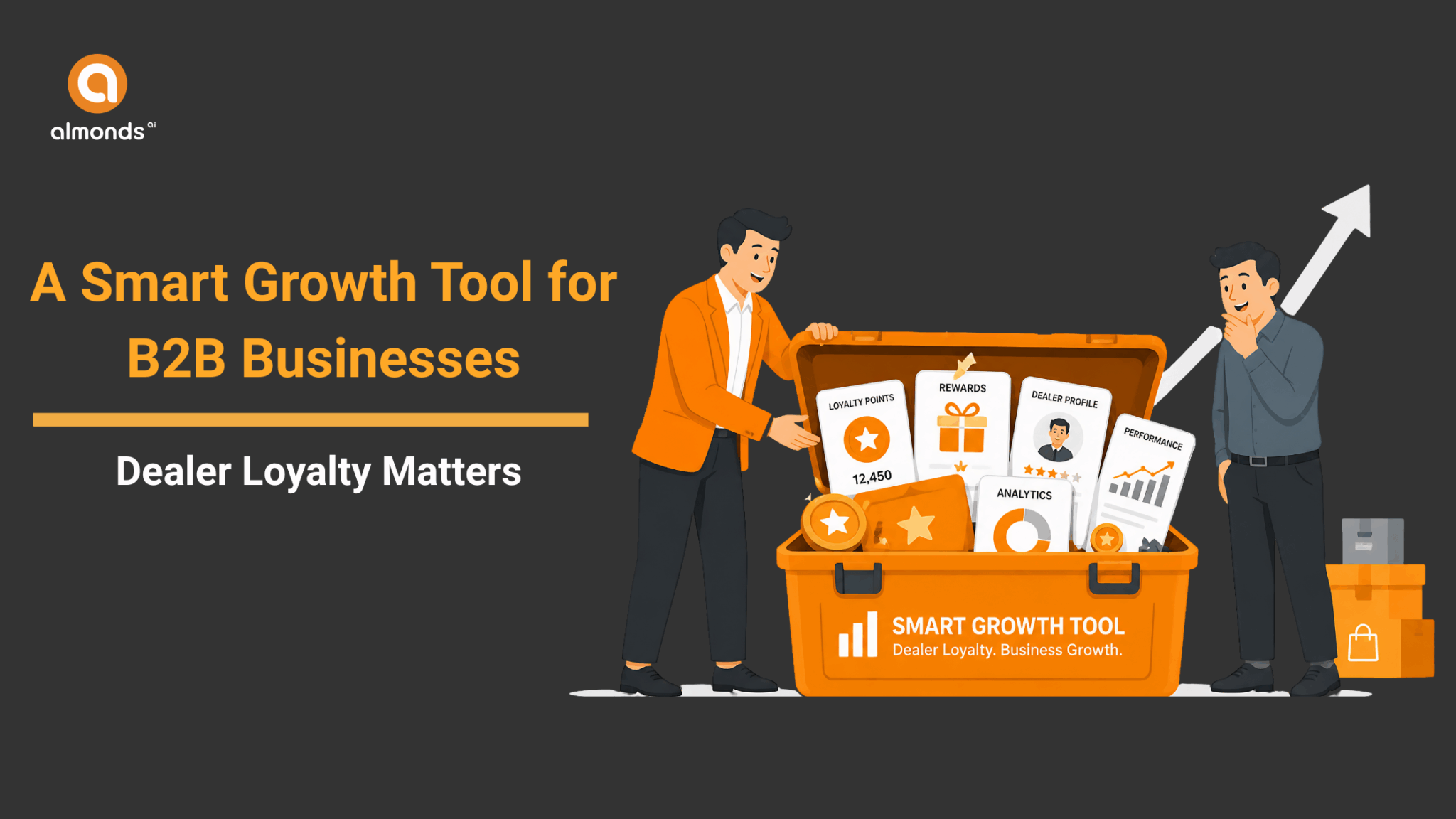
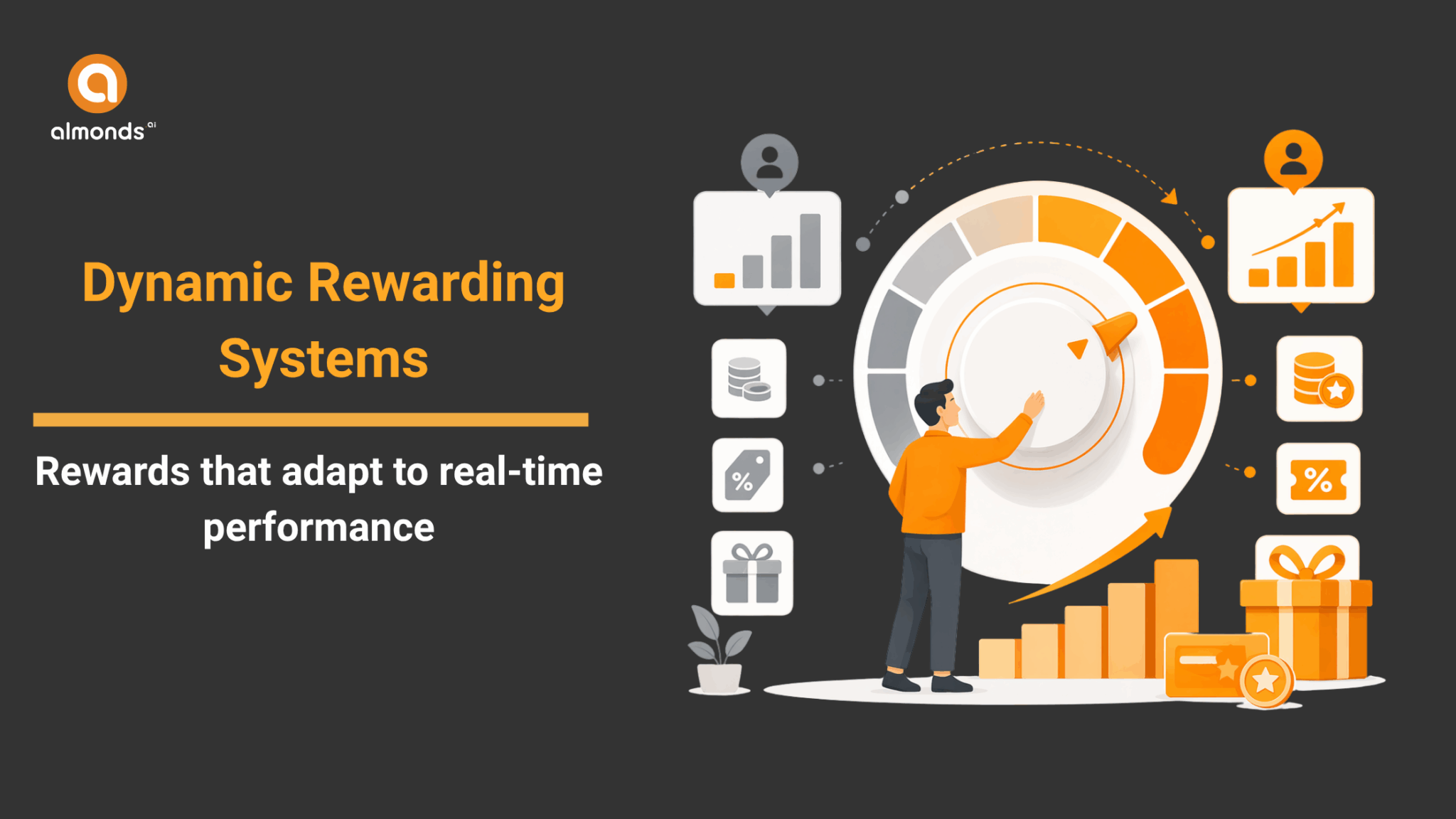
A dynamic rewarding system is a performance-based loyalty system in which incentives are automatically elicited depending on the real-time partner activity. Unlike traditional B2B loyalty programs that rely on fixed slabs or quarterly payouts, dynamic systems respond instantly to partner behavior.
As an example, as soon as a distributor reaches a sales target, increases product mix, sells old stock, or enters a new market, the system immediately rewards them (with points, cashback, digital vouchers, or experiential benefits).
In B2B channel loyalty, this strategy brings rewards directly to business goals so that partners are not only rewarded based on volume but also based on the correct behaviors.
Why Real-Time Performance Matters for Channel Partners?
Channel partners work in marketplaces that are highly dynamic, and decisions made on a daily basis drive results. Late rewards tend to be demotivating since partners cannot clearly understand the relationship between the effort and reward.
The solution to this is real-time performance-based rewards, which:
- Immediate reinforcement of desirable behavior.
- Enhancing transparency and trust in the program.
- Promoting long-term involvement rather than last-minute cramming.
- Minimizing controversy concerning eligibility to rewards.
As a retailer and distributor, instant appreciation of effort develops confidence and loyalty to the brand. In the case of brands, it provides improved channel performance control.
Key Performance Metrics in Channel Loyalty Programs
The most suitable dynamic rewarding systems are those that are linked to well-established, quantifiable KPIs. These usually comprise:
Sales Volume and Growth
The partners are incentivized dynamically when they surpass the base sales, realize growth in past periods, or meet product-related targets.
Product Mix and Upselling
Incentives can be activated when partners are promoting priority SKUs, new introductions, or more profitable goods.
Frequency and Consistency
Instead of just rewarding high-volume players, dynamic systems can reward a consistent pattern of ordering, keeping smaller retailers on board.
Market Expansion
Incentives may be associated with the acquisition of new retailers, new geographies, or dormant accounts.
Inventory and Compliance Metrics
Rewards can be given to partners to clear slow-moving stock or maintain optimal inventory levels or adherence to brand guidelines.
By associating rewards with these metrics on-the-fly, businesses are provided with a more balanced and strategic channel performance model.
How do dynamic rewarding systems work in Practice?
The heart of an active rewarding system is a technology platform, which would be connected to sales, ERP, or distributor management systems. This enables the performance data to flow through continuously into the loyalty engine.
After data is captured, predefined rules are used to identify rewards triggers. For instance:
- Get 500 points immediately when monthly sales reach 5 lakh.
- “Get bonus rewards for selling 3 or more product categories in one order.”
- “Upgrade tier upon meeting growth standards.
Dashboards, mobile apps, or partner portals allow partners to monitor their performance and rewards. This visibility makes the loyalty programs not a passive scheme but active performance tools.
Benefits of Dynamic Rewarding Systems for B2B Brands
Higher Channel Engagement
Partners are motivated to stay in the sales cycle, not merely at the quarter or year end with real-time rewards.
Improved Partner Motivation
Short-term rewards form a psychological connection between the action and the reward, which promotes long-term motivation.
Better ROI on Incentives
Since rewards are triggered only for desired behaviors, businesses avoid over-incentivizing low-impact activities.
Data-Driven Decision Making
Dynamic systems give background information about partner behavior, enabling brands to improve strategies and optimize reward systems.
Stronger Partner Relationships
Trust is earned through transparency and equity in reward allocation, which results in channel loyalty in the long term.
Advantages for Channel Partners
Dynamic rewarding systems are not just beneficial for brands, they are equally valuable for channel partners.
Partners gain:
- Transparency of performance measures.
- Quick access to rewards.
- Flexibility in redeeming incentives
- Just due process irrespective of scale.
Even mid-sized retailers and regional distributors feel valued and motivated because of such democratization of loyalty.
Personalization in B2B Channel Loyalty
One of the most powerful aspects of dynamic rewarding systems is personalization. Not every partner works on the same scale and with equal capabilities. Dynamic systems enable brands to develop tailored reward journeys through partner profiles.
For example:
- Growth and efficiency can be rewarded to high-volume distributors.
- Consistency and product adoption can be encouraged in small retailers.
- Rewards can be offered during onboarding to new partners.
This degree of individualization makes programs more relevant and partner fatigue less.
Overcoming Challenges in Implementation
Although the dynamic rewarding systems can be of great value, proper planning is needed to ensure successful implementation.
Common challenges include:
- Accuracy of data and integration of the system.
- Excessively complicated rules of rewards.
- Deficiency of awareness or training of partners.
The appropriate solution to these issues is to select the appropriate technology partner, streamline reward logic, and train channel partners by providing clear communication and onboarding services.
The Future of B2B Loyalty Programs
With B2B ecosystems increasingly becoming more digital and data-driven, loyalty schemes will move forward toward being not mere schemes but smart engagement platforms. The next-generation channel loyalty strategies will be based on real-time performance-related rewards.
These systems will be further optimized by artificial intelligence, predictive analytics, and automation so that brands can anticipate what partners need, suggest actions, and reactively change rewards in real time.
Conclusion
Rewarding systems that are dynamic and work on real-time performance are changing the way brands interact with their channel partners. These systems lead to a win-win ecosystem, where partners are motivated, recognized, and loyal, and brands gain a steady increase and improved channel control by tying incentives to immediate action and long-term strategies.
In the quest to build stronger B2B channel relationships, shifting away from the traditional models of loyalty is no longer an option but a strategic necessity. Take advantage of smart, real-time rewarding systems tailored explicitly towards channel partners with Almond AI.
Build smarter loyalty programs that motivate retailers and distributors, drive measurable performance, and deliver higher ROI, starting today.
FAQs
-
How do real-time rewards improve channel partner motivation?
Real-time rewards create an immediate link between effort and incentive, improving transparency, trust, and motivation while encouraging channel partners to stay actively engaged throughout the sales cycle, not just during scheme periods. -
Which performance metrics can be linked to dynamic rewards?
Dynamic rewards can be linked to sales growth, product mix, ordering frequency, inventory clearance, compliance metrics, and market expansion, allowing brands to incentivize both volume-driven and behavior-driven channel performance effectively. -
Are dynamic rewarding systems suitable for small retailers and distributors?
Yes, dynamic rewarding systems support personalization, enabling fair reward opportunities for small retailers and mid-sized distributors by focusing on growth, consistency, and engagement instead of only high-volume sales achievements. -
How can Almond Ai help implement dynamic B2B rewarding systems?
Almond Ai enables brands to design, automate, and manage real-time performance-based loyalty programs, integrating live data, intelligent rules, dashboards, and personalized rewards for scalable channel partner engagement.